

The Ultimate Car Film Guide: Types, Features, Prices, and How to Choose
When it comes to vehicle enhancement and protection, few upgrades offer the versatility and high return on investment of car film. Whether you are an automotive enthusiast looking to elevate your vehicle’s aesthetic, a fleet manager aiming to improve cabin comfort, or an international importer sourcing high-demand automotive accessories, understanding the world of car film is essential.
In this comprehensive car film guide, we will break down everything you need to know about car film, its key features, popular types, pricing models, and how to select the right product for your market or vehicle.
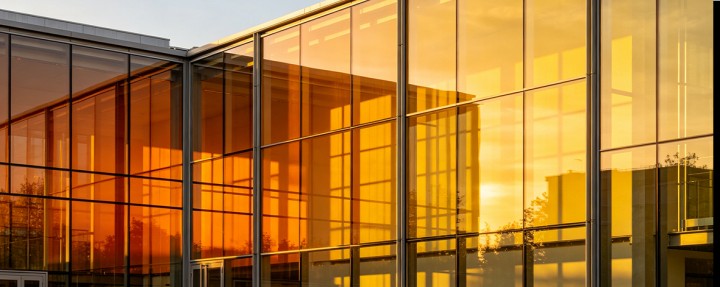
What is Car Film?
Car film (often referred to as automotive film, window tint, or protective wrap) is a specialized multi-layer thin-film laminate applied to the interior or exterior surfaces of a vehicle. Originally designed primarily to reduce solar heat and glare, modern car films have evolved into high-tech composite materials engineered for thermal insulation, UV rejection, privacy, and exterior paint protection.
At its core, car film serves two primary functions:
- Interior Comfort & Protection: Applied to glass surfaces, it blocks harmful UV rays and regulates cabin temperatures.
- Exterior Surface Protection: Applied to painted body panels, it acts as an invisible armor against stone chips, scratches, and environmental contaminants.
Features of Car Film
Modern automotive films are marvels of material science. High-quality films incorporate advanced polyester, ceramic nano-particles, and polyurethane layers to deliver exceptional performance characteristics:
- High Infrared (IR) and Heat Rejection: Premium car films can block up to 90% of infrared heat, significantly lowering interior temperatures and reducing reliance on air conditioning.
- 99% UV Ray Protection: Blocks nearly all ultraviolet radiation, protecting passengers’ skin from sun damage and preventing car upholstery, dashboards, and leather seats from fading or cracking.
- Optical Clarity and Anti-Glare: Reduces eye strain caused by blinding sunlight during the day and harsh headlight glare from oncoming traffic at night, all without distorting visibility.
- Enhanced Privacy and Security: Darker or reflective window films obscure the view inside the vehicle, keeping valuables safe from prying eyes. Additionally, window films hold shattered glass together in the event of an accident.
- Self-Healing Properties (for Paint Protection Film): Advanced exterior films feature elastomeric polymers that automatically heal minor scratches, swirl marks, and scuffs when exposed to heat (sunlight or warm water).
- Hydrophobic and Stain Resistance: Top-coat layers repel water, mud, bird droppings, and tree sap, making routine vehicle washing effortless.
Types of Car Film
The automotive film market is diverse, categorized primarily by application and manufacturing technology. Here are the main types available today:
1. Window Films (Glass Application)
- Dyed Window Film: The most economical option. It uses a layer of dye sandwiched between adhesive and a protective top coat to absorb solar heat and provide privacy.
- Metalized Window Film: Incorporates microscopic metallic particles to reflect heat away from the car. Extremely durable and shatter-resistant, though it can sometimes interfere with GPS, radio, or cell signals.
- Carbon Window Film: Uses carbon micro-particles embedded in the film. It offers a matte finish that doesn’t fade over time, excellent heat rejection, and zero signal interference.
- Nano-Ceramic Window Film: The gold standard of window films. It embeds non-conductive, non-metallic ceramic particles that block maximum infrared heat and UV rays while maintaining crystal-clear visibility and complete electronic signal transparency.
2. Exterior Surface Films (Body Application)
- Paint Protection Film (PPF / Clear Bra): A thick, thermoplastic polyurethane film applied to high-impact areas (hood, bumpers, fenders, mirrors) to protect factory paint from road debris, stone chips, and chemical stains.
- Color Change Vinyl Wrap: Primarily aesthetic, these films allow vehicle owners to completely change the color and finish (matte, gloss, satin, chrome, carbon fiber texture) of their car without permanent repainting.
How to Choose the Right Car Film?
Choosing the right car film depends on your specific goals, budget, climate, and local legal regulations. Consider the following factors before making a purchase or installation decision:
- Evaluate Your Climate: If you live in a hot, sunny region, investing in high-end Nano-Ceramic window film or heavy-duty infrared-blocking film is critical for comfort and fuel efficiency.
- Check Local Tint Laws: Governments regulate visible light transmission (VLT) percentages for windshields and front side windows. Always verify legal limits in your region to avoid fines.
- Determine Protection Needs: For daily commuters and highway drivers, combining Paint Protection Film (PPF) on the front end with ceramic window film provides total protection. For show cars, full-body color change wraps or clear PPF are ideal.
- Prioritize Brand Quality and Warranty: Look for reputable manufacturers that offer manufacturer-backed warranties against bubbling, peeling, discoloration, and cracking (typically ranging from 5 years to a lifetime).
Car Film Guide
To ensure a flawless installation and maximum lifespan, following a structured installation and maintenance workflow is essential:
Installation Best Practices
- Surface Preparation: The vehicle must be thoroughly washed, clay-barred, and wiped down with isopropyl alcohol to remove dust, grease, and microscopic contaminants.
- Controlled Environment: Installation should take place in a dust-free, climate-controlled indoor workspace to prevent airborne particles from getting trapped under the film.
- Application & Squeegeeing: Using a slip solution, the film is positioned, and a professional squeegee is used from the center outward to eliminate air bubbles and excess moisture.
- Curing Period: Window films typically take 3 to 7 days to fully cure (depending on humidity and temperature), during which windows should not be rolled down.
Maintenance Tips
- Wait at least 7 days before washing tinted windows or wrapped surfaces.
- Use ammonia-free glass cleaners and microfiber cloths for window films to prevent chemical degradation of the adhesive.
- Avoid using abrasive brushes or high-pressure power washers too close to film edges.
Price of Car Film
The cost of car film varies widely based on material quality, vehicle size, installation complexity, and geographic region. Below is a general pricing overview (including professional installation):
| Car Film Type | Average Price Range (USD) | Key Cost Factors |
| Dyed Window Film | $150 – $300 | Vehicle size, number of windows |
| Carbon Window Film | $300 – $600 | Brand reputation, heat rejection specs |
| Nano-Ceramic Window Film | $500 – $1,000+ | Premium technology, superior IR rejection |
| Partial Paint Protection (PPF) | $900 – $2,000 | Coverage area (bumper, hood, mirrors) |
| Full Body Paint Protection (PPF) | $3,500 – $7,000+ | Full vehicle coverage, complex body curves |
| Color Change Vinyl Wrap | $2,000 – $5,000 | Film finish (matte, satin, color-shift), labor |
Note: For wholesale buyers, importers, and B2B distributors sourcing rolls directly from manufacturers, material costs are significantly lower, usually priced per linear meter or roll.
Conclusion
Car film is no longer a luxury—it is a practical necessity for vehicle preservation, thermal comfort, and personal style. By understanding the unique features, material types, and pricing structures of window tints and protective wraps, consumers and businesses can make informed investments.
Are you looking to source car films for your business, or do you need help choosing the best film specification for a specific vehicle model?
Get a Quote
Send an inquiry and receive a response within 24 hours.
- Phone:
- +86 13714437612
- Whatsapp:
- +86 13714437612
- Email:
- kim@nasido.com
 WhatsApp
 Email
 +8613714437612